NEW WEBSITE NOW LIVE!!
- Shop.
-
-
- Tables
- Seating
- Armchairs & Sofas
- Babies & Toddlers
- Benches
- Chairs
- Cushions & Ottomans
- Fluted
- Outdoor
- Stacking Chairs
- Steel Frame Chairs
- Stools
- Tables & Chairs
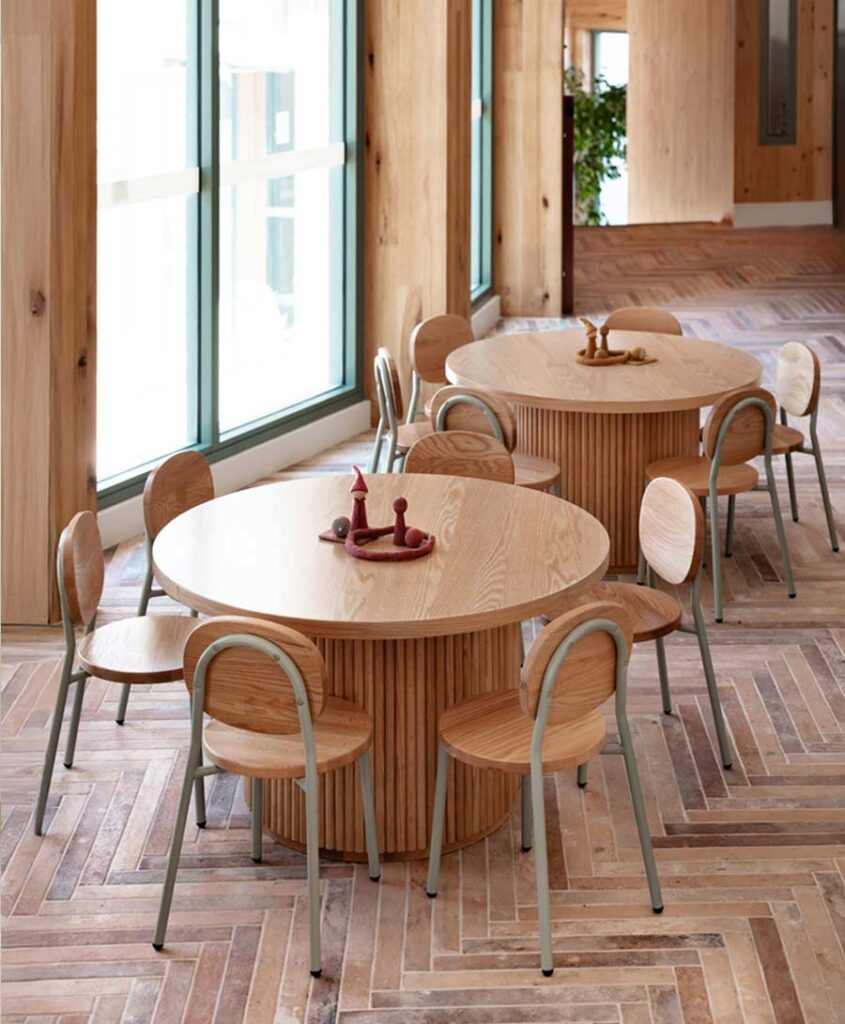
- Table and Chair SetsCreate enriching learning environments with our premium kindergarten table and chairs and preschool table and chairs collection. Preschool Equipment provides durable, safe and developmentally designed furniture for childcare centres, preschools and kindergartens across Australia. Our range supports practical and flexible early learning spaces for growing, active learners.
- Hardwood
- Australian Made
- Storage
- Home Corner
- Outdoor
- Construction
- Art
- Babies & ToddlersOur range of baby furniture is uniquely designed to compliment your baby and toddler rooms. Our baby furniture range includes change tables, walking bar and mirrors, baby play units, hi-lo chairs and much more.
- Sleeping
- Beds
- CotsOur collection of childcare cots is designed to provide safe, comfortable and hygienic sleep environments for infants and toddlers in early learning settings. Built to meet the practical needs of childcare centres, preschools and early education facilities, these cots offer sturdy construction, easy-to-clean materials and child-safe features that support rest routines throughout the day.
- Trundles
- Educational Resources
- Animals
- Architecture
- Babies & Toddlers
- Educational Blocks
- Cultural
- Felt
- Food Play
- Life Cycle
- Literacy
- Loose Parts
- Nature
- Numeracy
- People
- Pretend Play
- Puzzles
- Sensory & InclusionOur collection of sensory toys supports inclusive learning, emotional development and meaningful play experiences. Explore our visual, tactile and calming/regulation toys, including light tables and mirrors, designed to engage children’s senses, promote focus and encourage exploration. These resources create supportive, multi-sensory environments for every child in preschool, daycare and childcare settings.
- Soft Toys
- Stacking & Sorting
- Transport
- Wooden Toys
- Sensory & Inclusion
- Calming & Regulation
- Tactile Sensory
- Light Tables
- MirrorsMirrors are essential for the development of children of all ages. Mirrors are used for the very young for self recognition. Mirrors are also great for dress ups. To ensure that our range of mirrors are safe, all of our mirrors are made with perspex or acrylic mirrors and have sturdy bases.
- Visual Sensory
- Water PlayWater play brings an easy sense of fun to outdoor spaces, with plenty of opportunities to pour, splash, experiment and get a little messy. It’s a simple way to create an inviting play area children naturally want to explore.
- STEMOur collection of STEM toys supports hands-on exploration in science, technology, engineering and mathematics, key learning areas that help children develop critical thinking, creativity and problem-solving skills. Designed for childcare centres, preschools, primary classrooms and kindergarten learning environments, these toys inspire curiosity and encourage children to investigate the world around them.
- Decor
- Adult Furniture
-
-
- New Arrivals.
- Discover.
- Design & Fitouts.
- Publications.
- Shop.
- Shop All
- Art
- Babies & ToddlersOur range of baby furniture is uniquely designed to compliment your baby and toddler rooms. Our baby furniture range includes change tables, walking bar and mirrors, baby play units, hi-lo chairs and much more.
- Construction
- Decor
- Educational Resources
- Home Corner
- Outdoor
- Seating
- Sensory & Inclusion
- Visual Sensory
- Tactile Sensory
- Calming & Regulation
- Light Tables
- MirrorsMirrors are essential for the development of children of all ages. Mirrors are used for the very young for self recognition. Mirrors are also great for dress ups. To ensure that our range of mirrors are safe, all of our mirrors are made with perspex or acrylic mirrors and have sturdy bases.
- Sleeping
- STEM
- Storage
- Tables
- Adult Furniture
- New Arrivals.
- Australian MadeLooking to transform your early learning space? Shop our range of quality Australian-made, hardwood furniture, and equipment. We design early childhood furniture and equipment that is built to last.
- Themes & Styles
- Pedagogy
- Shop The Look
- Quick Order
- Shop All
- New Arrivals
- Publications.
- Discover.
- Design & Fitouts.


Your Cart Clear Cart
Your cart is empty.